What you cook in a Rome cooking class
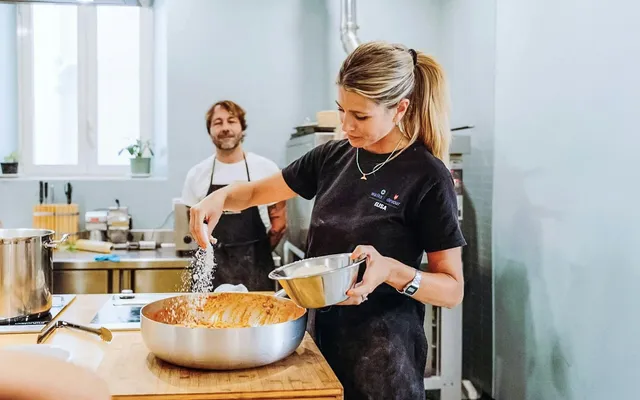
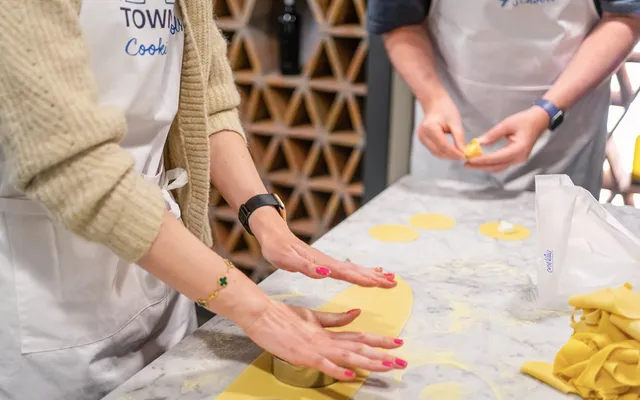
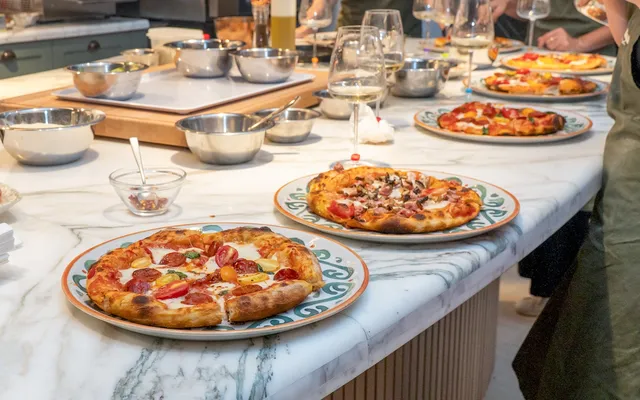
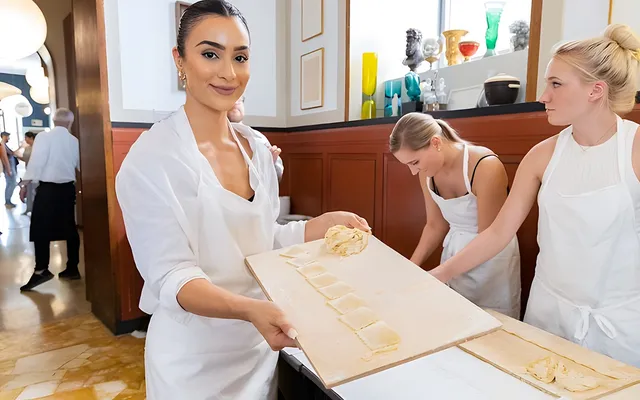
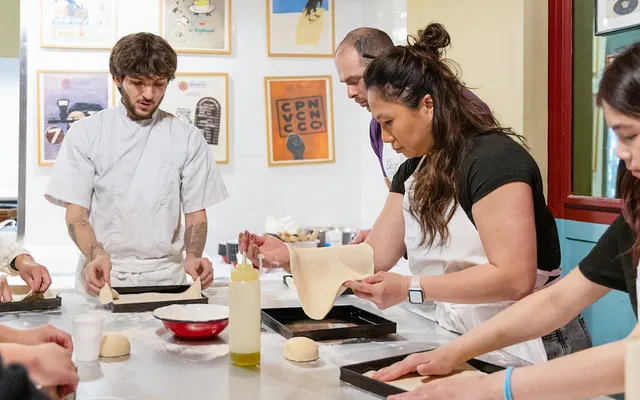
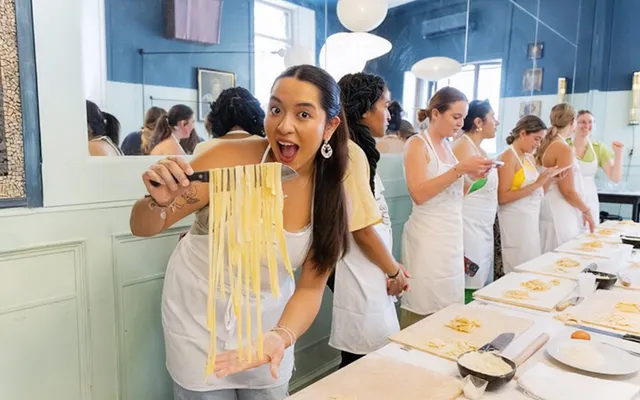
A Rome cooking class is where you make the dishes a food tour only lets you taste. Pasta classes usually work an egg dough for fettuccine, or a flour-and-water dough for tonnarelli, then a Roman sauce: cacio e pepe, carbonara or amatriciana. Carbonara here is egg, pecorino, guanciale and pepper. Cream is not part of the Roman plate. Pizza classes work a dough, stretch it and top it. Roman pizza is thinner than a Neapolitan pie, and a class might teach a round pizza or a bakery sheet, pizza in teglia. Many sessions add tiramisu or gelato so the group finishes with a dessert it has made. You eat what you cooked, seated.
What the kitchen session covers
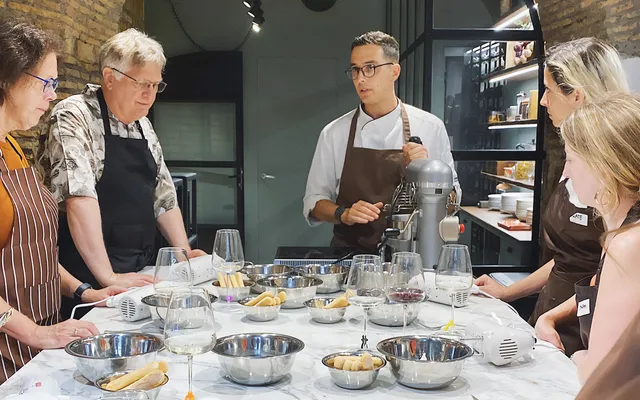
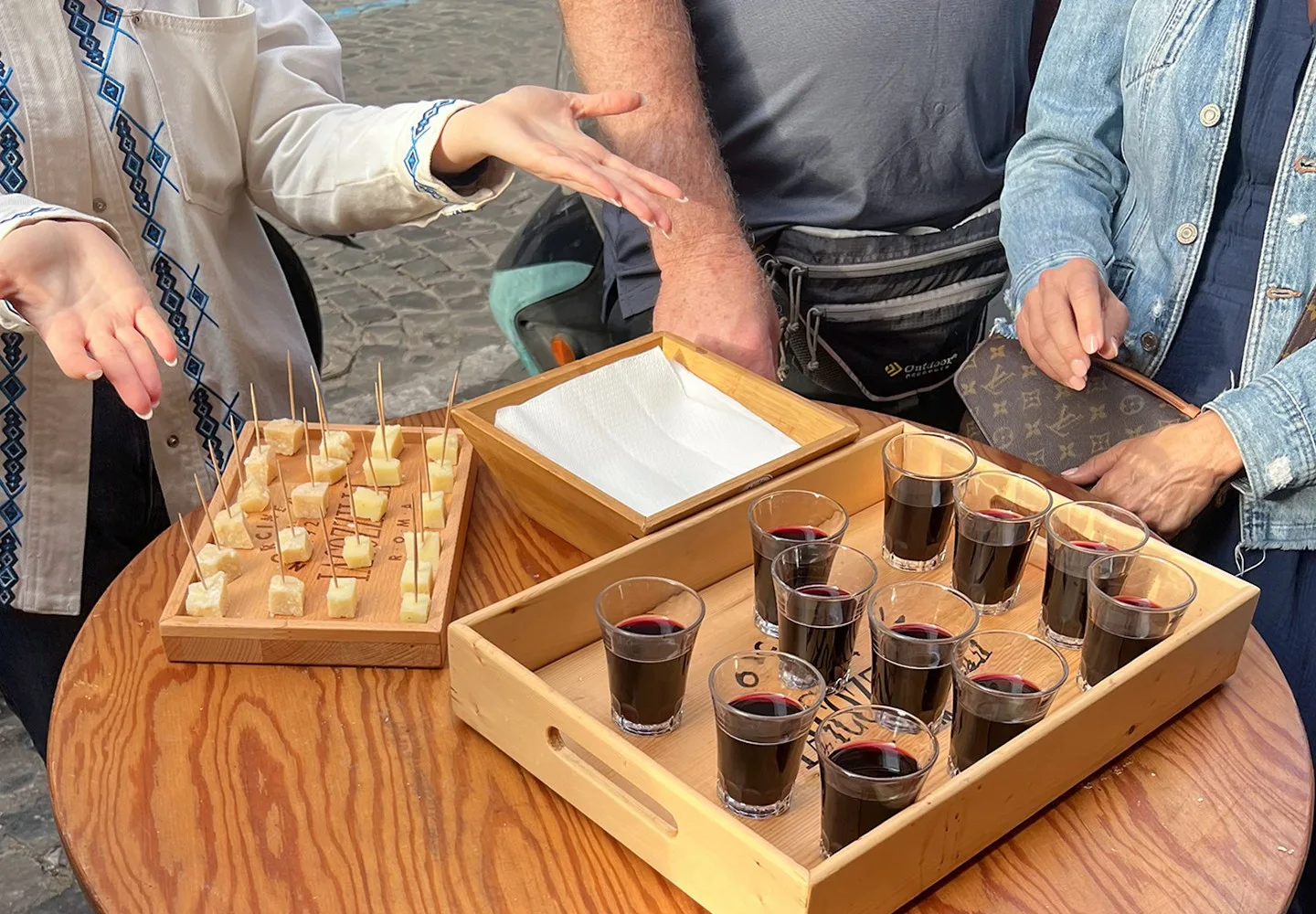
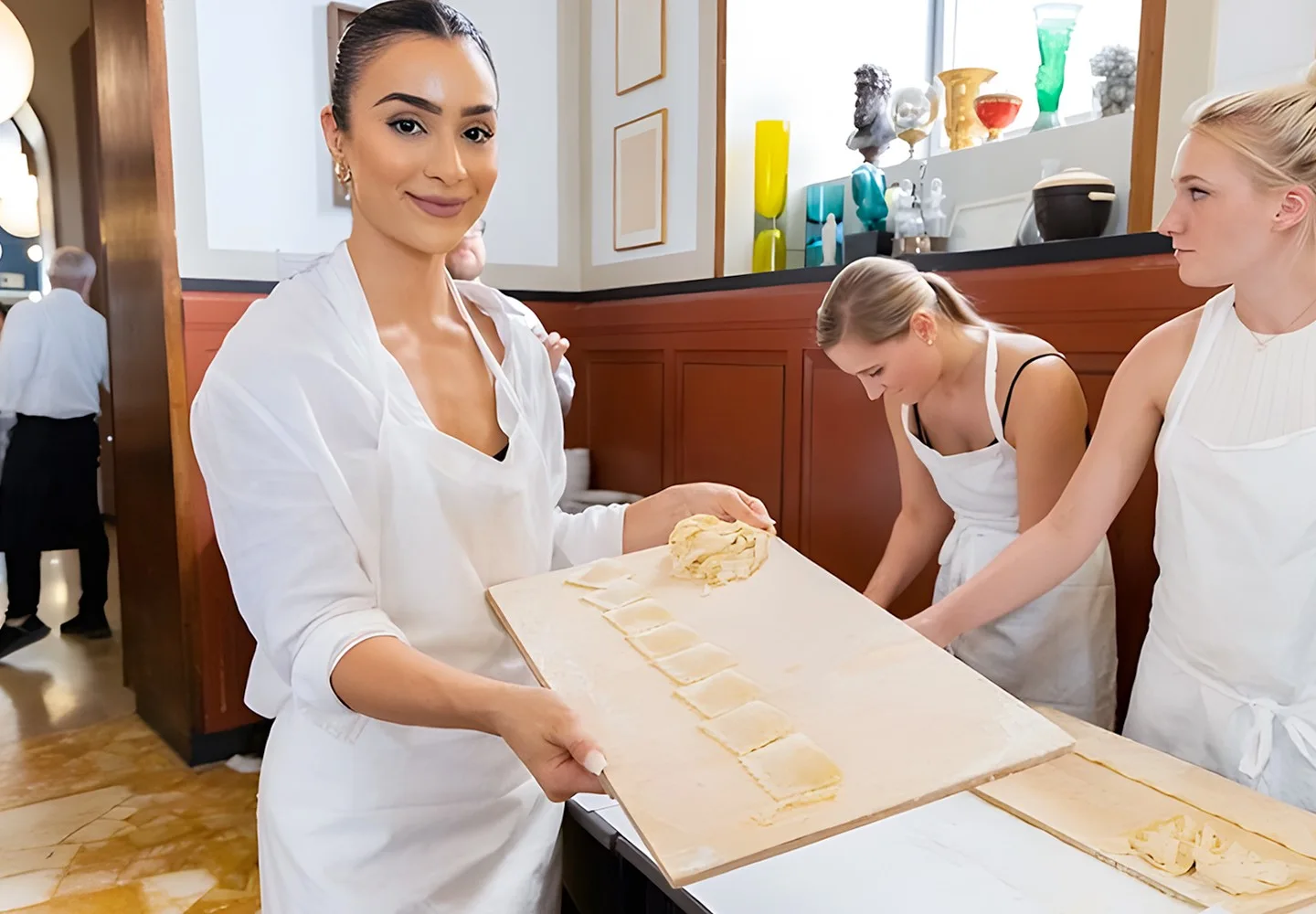
You wear an apron in a teaching kitchen. A host shows the dough, then the group shapes, sauces and cooks. Some classes demonstrate a step and finish it for you. Others hand you the pin and the knife. The booking page should say which dishes each person makes. A drink may be poured with the meal. Ask about that, and about whether the session replaces lunch or dinner, before you book a restaurant the same evening. This is not a walking tour and it does not show you Trastevere, Testaccio or Monti unless the description adds a neighbourhood stop.
When to go
Classes are timed as a meal: late morning for lunch, or late afternoon for dinner. Allow travel to the kitchen. A room near a metro stop is a different day from one that needs a longer ride. Do not put the class tight against a timed monument entry. If the recipe is the point of the day, pick a session long enough to mix, rest and eat, not a demonstration you only watch.
A cooking class or a neighbourhood food tour
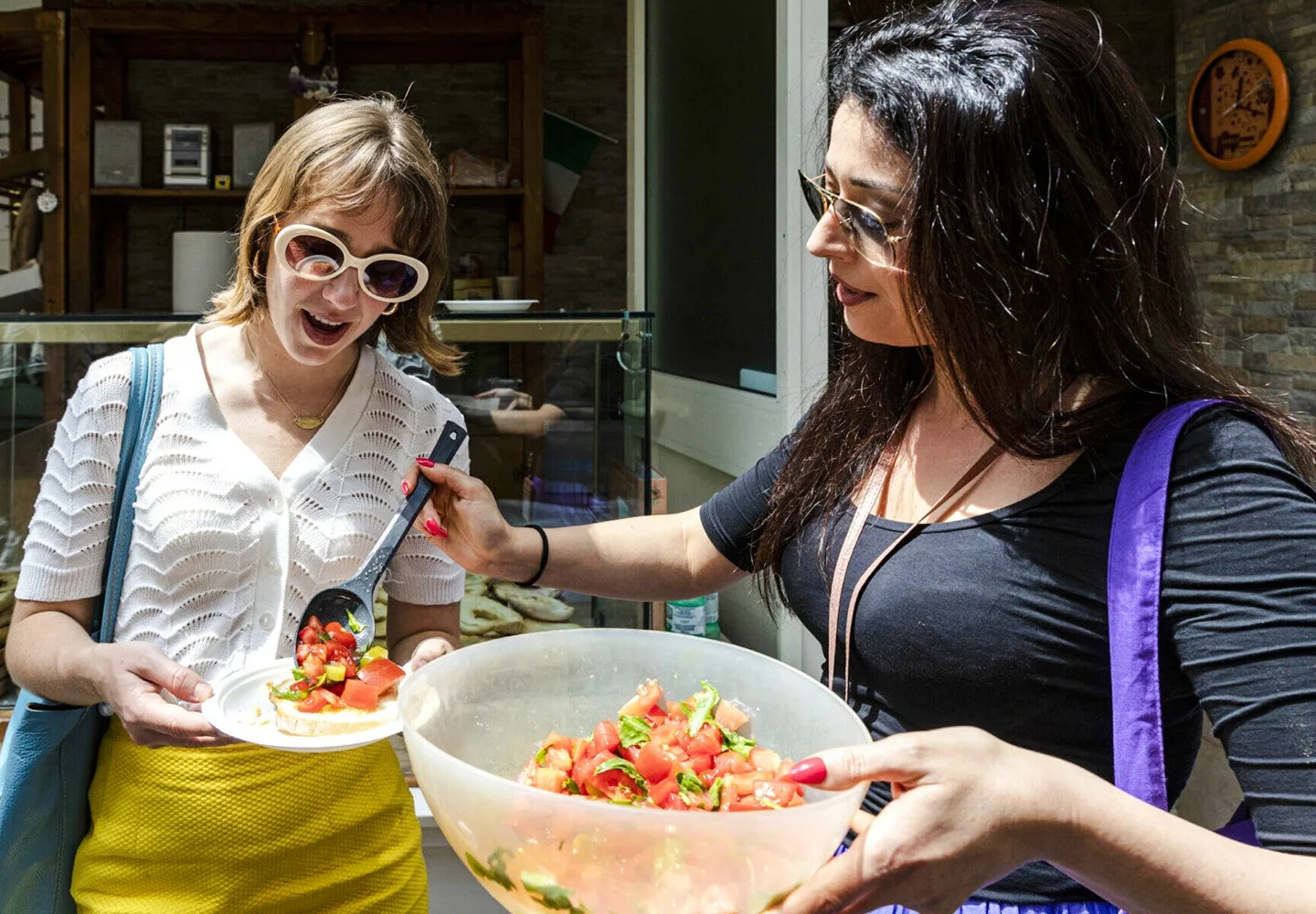
Choose a Trastevere food tour or a Testaccio food tour when you want the streets and a sequence of kitchens. Choose Rome cooking classes when you want the handwork and a table at the end. Pasta suits a group that wants a sauce to repeat at home. Pizza suits a group that wants a familiar dish and a shared job. Classes beside the Colosseum are also listed on the Monti page. The buttons below are the classes confirmed on sale.
Keep reading
What to check before booking Rome cooking classes
A class title does not say whether you shape every piece yourself or watch a demonstration. Standard dough may contain gluten, and pasta can contain egg. Confirm dietary needs with the provider before you pay.
How to plan your Rome cooking classes visit
Book the session as lunch or dinner, not as a gap between monuments. Kitchens are often outside the postcard centre, so read the address and allow the journey. Tell the host about dietary needs in advance.
Choose the right Rome cooking classes ticket
Use the named products below to compare the actual experience. Check the date, admission or tour inclusions, meeting point and refund terms together. A package with extra activities may be useful, but only if you have time to enjoy them.
If food, drinks or a particular activity are essential, check them in the selected option. Similar product names can describe different menus, routes or levels of participation.
What to confirm for Rome cooking classes
Open the booking page to confirm the date, the menu and the meeting point. This guide does not promise a particular departure or same-day availability.
Practical details reviewed 2026-10-14. Planning allowances are our suggestions, not guaranteed tour durations. Check attraction or operator information ↗